Deepfakes in Schools
Research-grounded keynotes and crisis-response training for superintendents, school communicators, leadership teams, and boards.
Every session includes practical resources your team keeps.
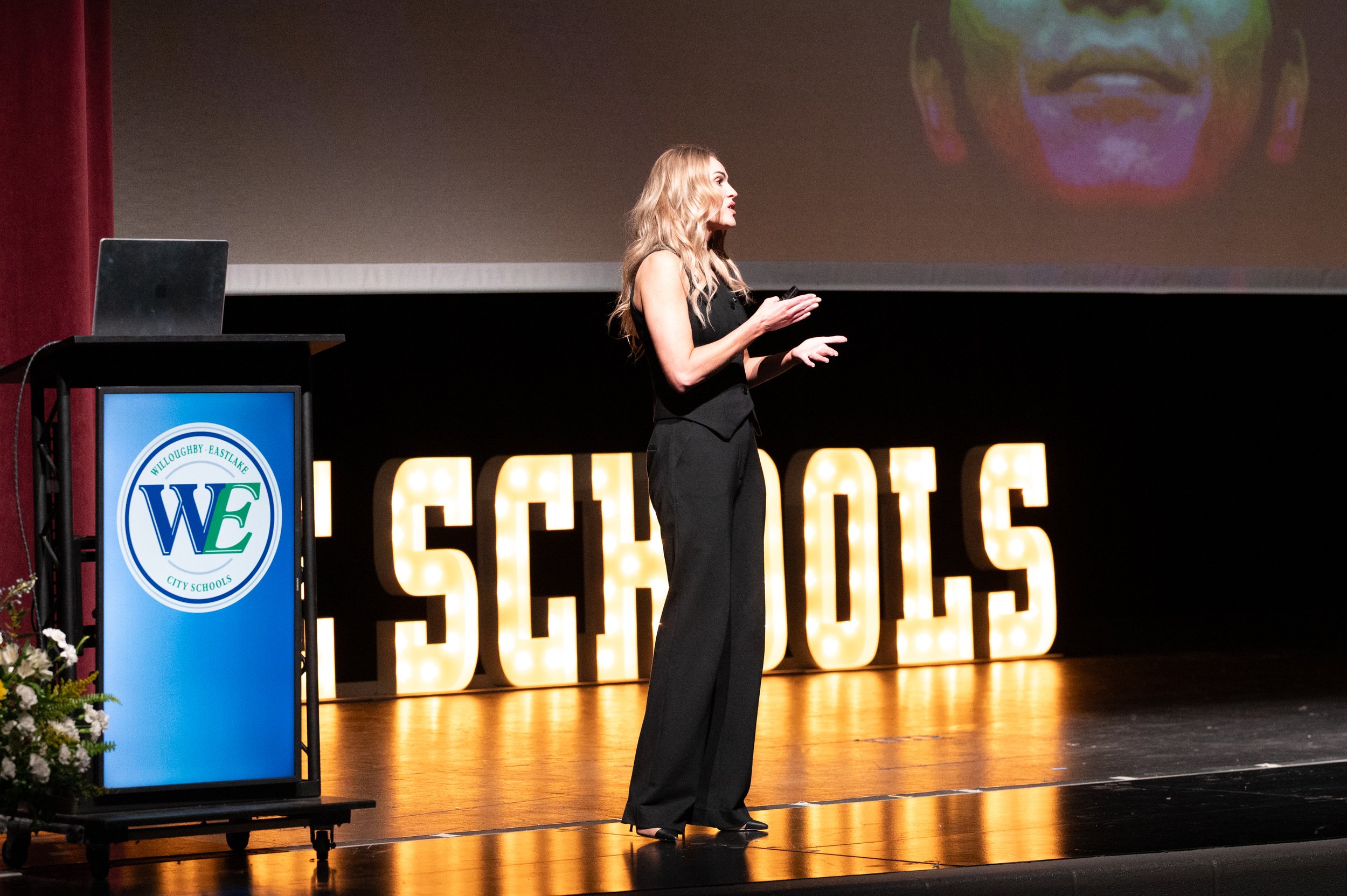
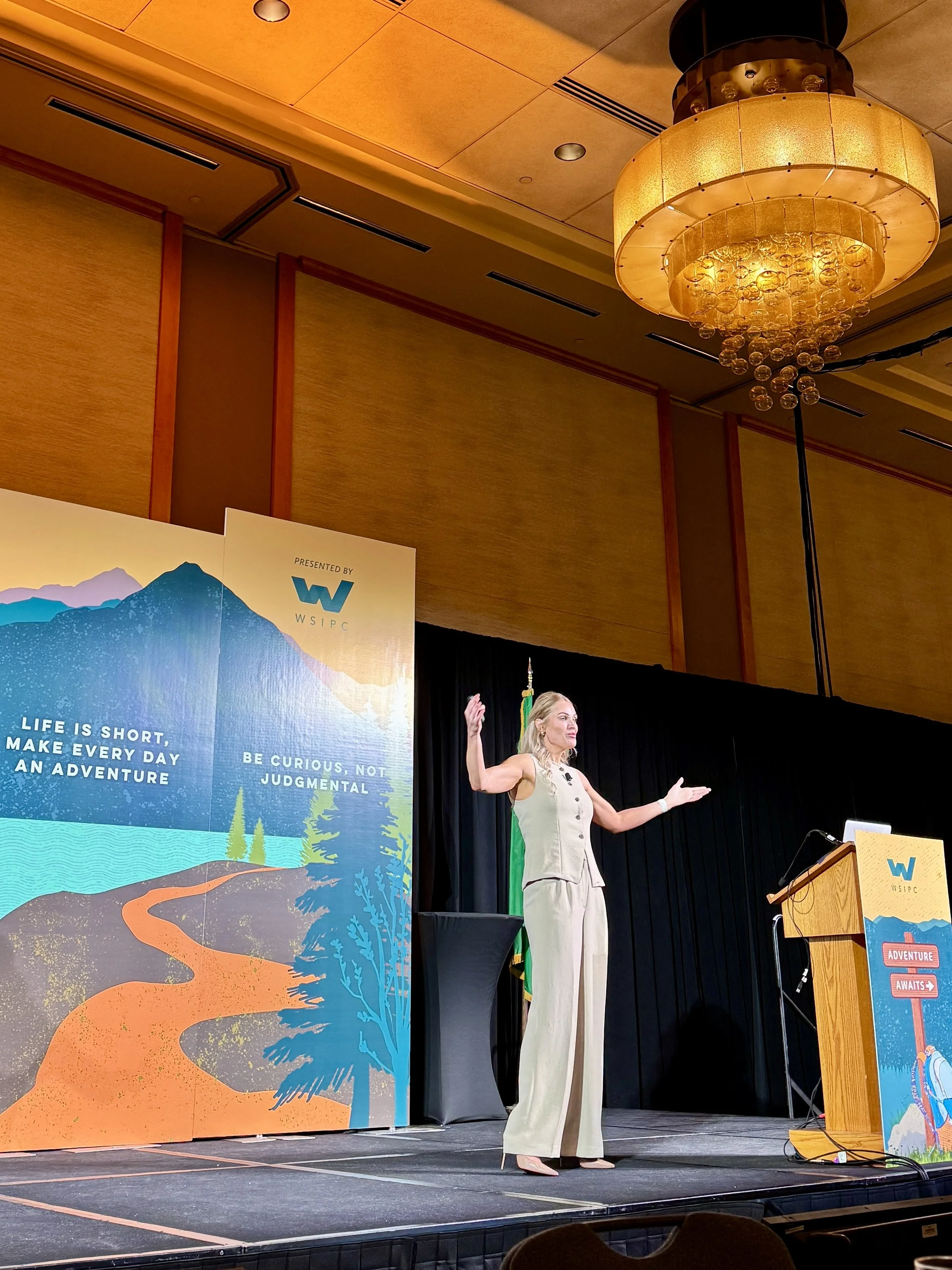
Rebecca Bultsma delivers keynotes and leadership training on deepfakes in schools for superintendents, communicators, cabinets, boards, and education conferences.
Strategic communications & crisis response
200+ AI Presentations Delivered
Data & AI Ethics, University of Edinburgh
Textbook Chapter & Published Articles on Deepfakes
APR-Accredited Crisis Communications Professional
THE KEYNOTE
Deepfakes at the Door
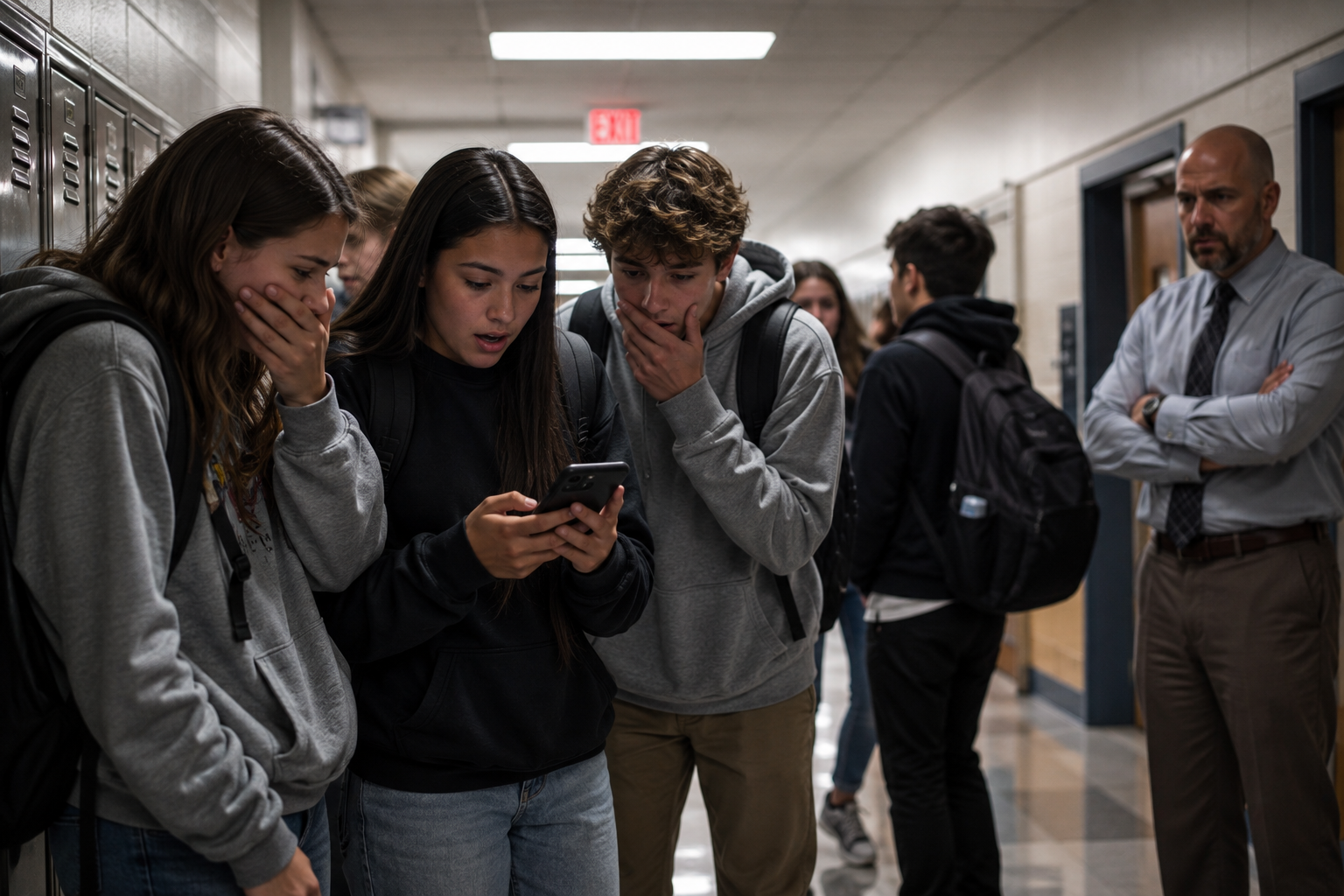
Leading, Communicating, and Responding Under AI Uncertainty
Deepfakes are already inside school communities. They move faster than verification and force leaders into decisions no crisis plan fully anticipated. Drawing on dedicated research into real school incidents and institutional responses, Rebecca takes audiences beyond the real-or-fake question. The harder work follows: protecting the person targeted, communicating without outrunning the evidence, coordinating processes that move at different speeds, and preserving trust while certainty arrives in pieces.
The Research
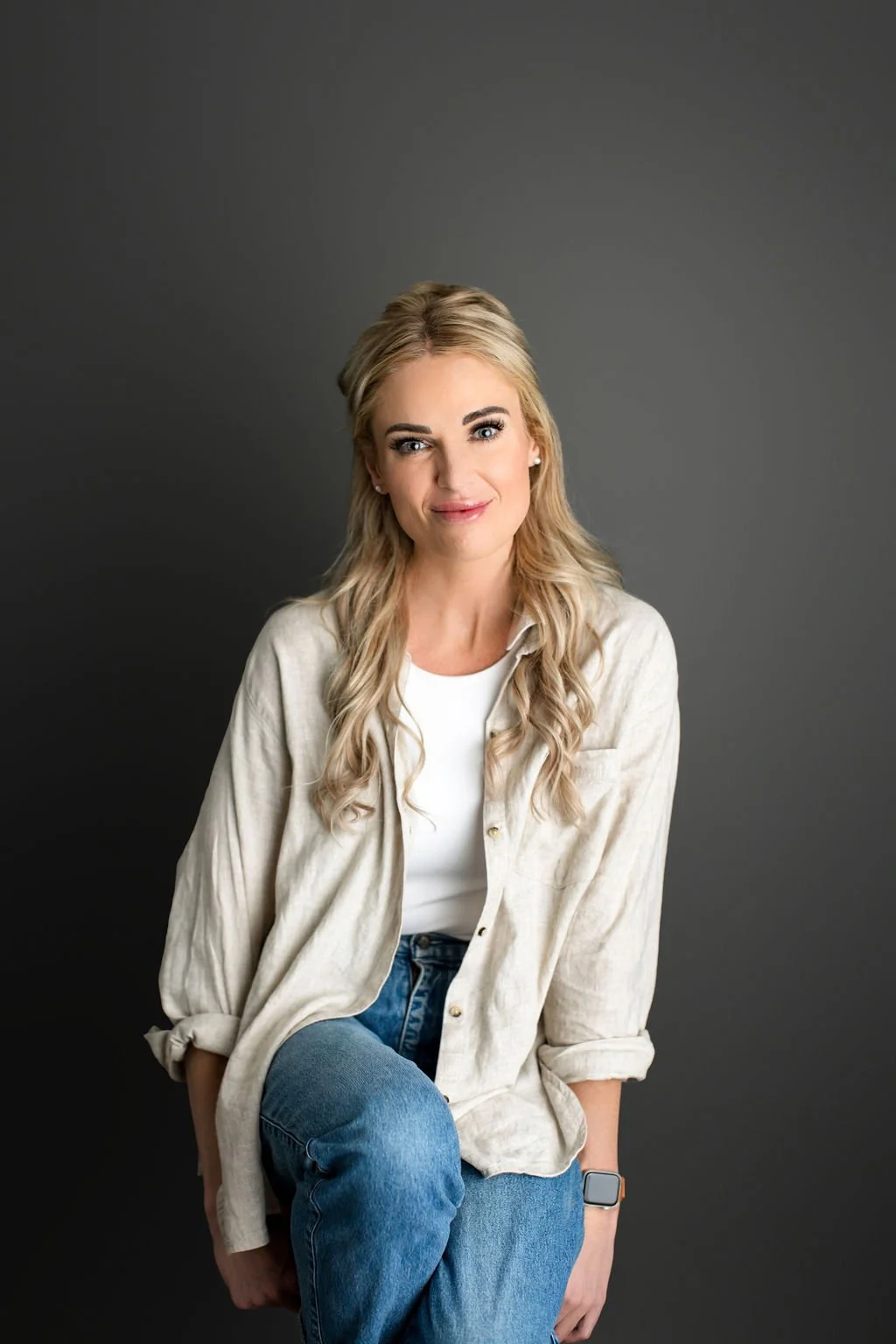
This session is built on Rebecca's own research and writing: a textbook chapter, University of Edinburgh master's research, and a SchoolCEO Magazine feature.
Rebecca wrote the chapter on generative AI for the forthcoming textbook Advances in the Practice of Risk, Crisis, and Emergency Communication (Nova Science Publishers, 2026). Her chapter, "The Influence of Generative AI on Crisis and Risk Communications: Navigating the AI Paradox," examines how synthetic media changes crisis response, including deepfakes.
Rebecca completed an MSc in Data and AI Ethics at the University of Edinburgh. Her research examined publicly documented K-12 deepfake incidents and how institutions responded.
Her SchoolCEO Magazine article, "When Everything Looks Real and Nothing Feels True," brings that research to school leaders.
Beyond the keynote
Every engagement comes with take-home resources matched to the audience, so the thinking in the room survives contact with a real incident. Depending on the format, that includes:
Discussion guides for cabinets and boards
The research-grounded decision questions from the session, in a format teams can use mid-incident
Quick-reference response guidance for the first minutes and the first hour of a deepfake incident
Follow-up access for questions after the session
Training can stand alone or extend the keynote: half-day workshops for leadership teams, executive sessions for cabinets and boards, and virtual sessions for distributed teams.
What your team walks away with
Technical verification may help. Human care cannot wait for certainty.
WHY REBECCA
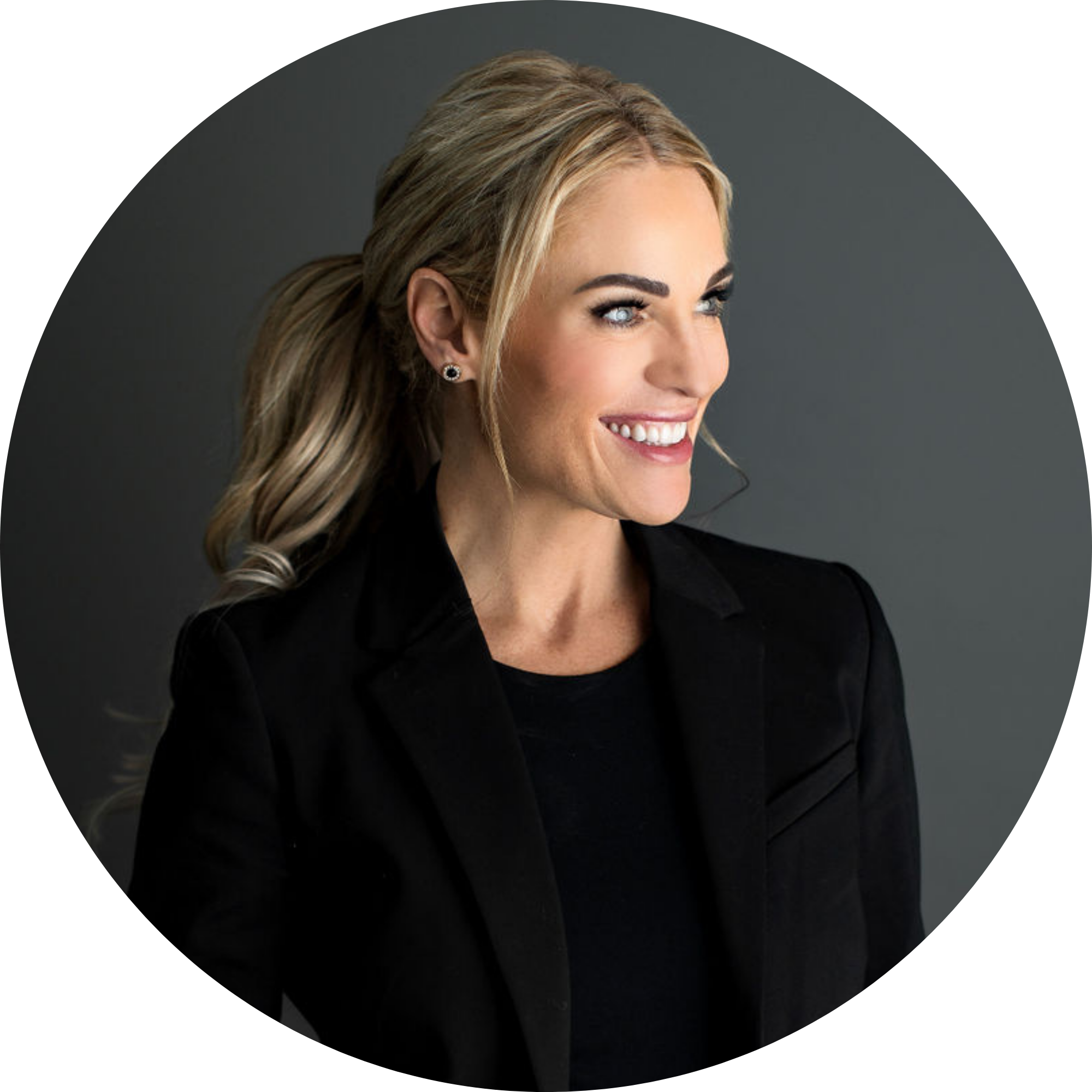
Research meets the call you actually have to answer.
Rebecca Bultsma is an AI ethicist, keynote speaker, and strategic advisor. She completed an MSc in Data and AI Ethics at the University of Edinburgh, researching publicly documented K-12 deepfake incidents and institutional responses.
She has delivered more than 200 AI presentations and brings first-hand experience in strategic communications, crisis response, leadership decisions, and public trust.
"What sets Rebecca apart? She's not an AI cheerleader, and she's not a doomsayer. She lives in the "messy middle," honest about both the promise and the risks, practical about what matters right now. That balance is rare and exactly what organizations need."
Natalie, repeat speaking client
COMMON QUESTIONS
What organizers need to know
-
This session can be customized for superintendents, cabinets, boards, school communicators, technology leaders, student-services teams, or a mixed leadership audience.
-
No. The limits of AI detection are part of the discussion, but the session focuses on leadership, communication, protection, and responsible action under uncertainty.
-
Yes. The session draws from publicly documented incidents and institutional responses. Private thesis case details remain private.
-
Yes. Keynotes, leadership sessions, and workshops can be adapted for virtual delivery.