July 30, 2026
A practical guide to where AI can help, what to watch, and how to keep relationships, professional judgment, and responsibility at the centre of education.
If you remember only three things
-
AI can produce useful work, but it cannot determine what is true, fair, or right for your students.
-
Before using AI, ask what goes in, what comes out, and what decisions it could influence.
-
Start with one small task, while keeping relationships, professional judgment, and responsibility human.
AI should add value to the whole child and the work of exemplary educators. It should replace neither one.



Tools to Try
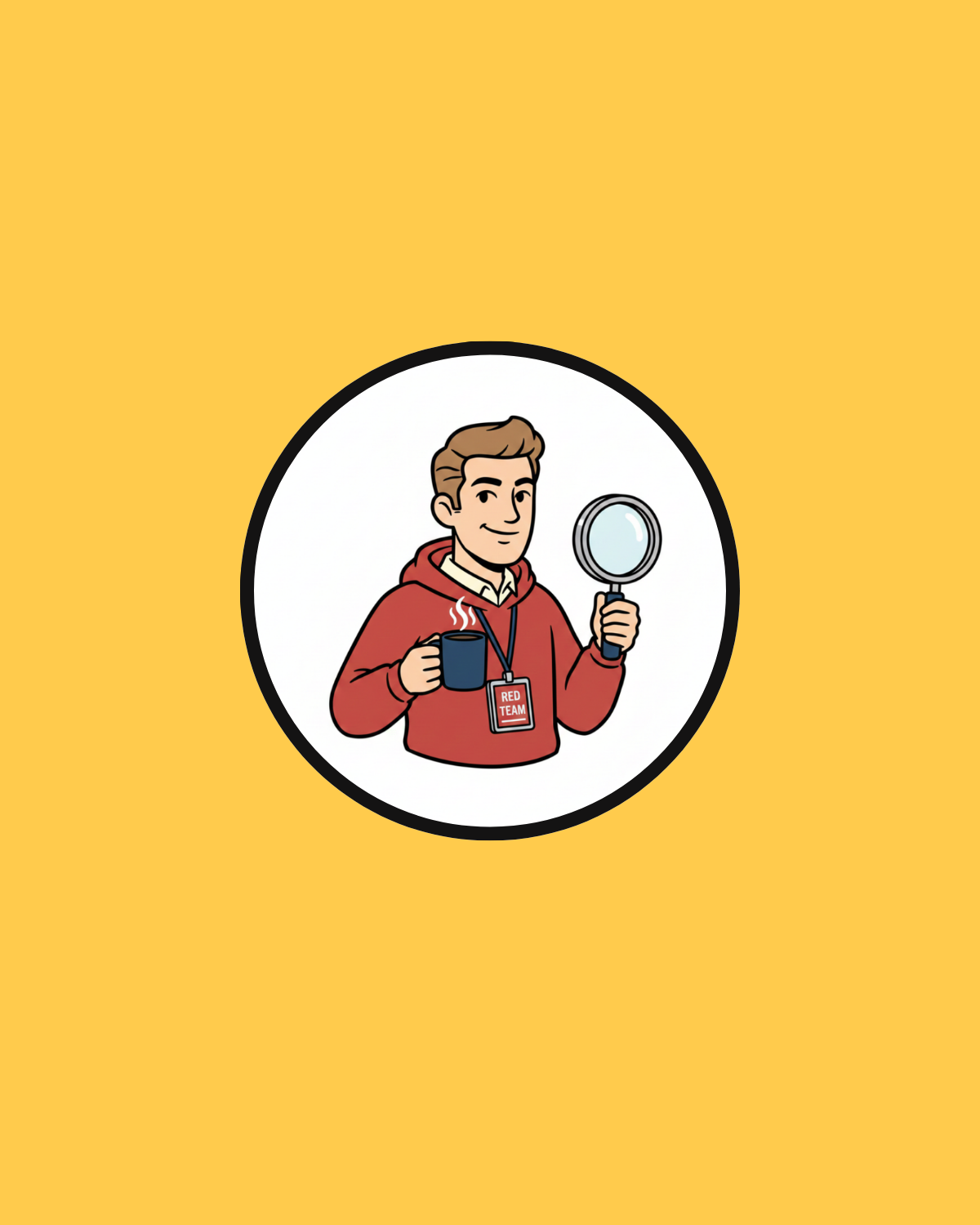
Red Team Rudy
Redesign your assessmentsYour new favorite colleague. He stress-tests your assessments for cognitive offloading vulnerabilities - then helps you redesign them with thinking-first sequencing built in.

Substitute Gemma
Build a sub planYour favorite teacher friend who writes sub plans. Answer 5 quick questions about your classroom, schedule, and what you're teaching — get a complete, detailed sub plan any substitute can pick up and run with. No prompting skills required. Just talk to it like a colleague.
Responsible AI in Education
UNESCO: Guidance for Generative AI in Education and Research
A human-centred guide covering privacy, age-appropriate use, ethical concerns, policy, and possible educational applications.UNESCO: AI Competency Framework for Teachers
A practical framework for teacher knowledge and professional learning across human agency, ethics, AI foundations, pedagogy, and responsible use.U.S. Department of Education: Artificial Intelligence and the Future of Teaching and Learning
A balanced education-specific report about AI opportunities, risks, educator involvement, and keeping educational goals in charge.
AI Detection and Student Work
Research on AI detection continues to change. Some tools perform better than others, but a detector score still requires context, process evidence, conversation, and human judgment.
Testing of Detection Tools for AI-Generated Text
A widely cited open-access study showing substantial differences, false positives, false negatives, and vulnerability to paraphrasing across detection tools.Artificial Writing and Automated Detection: 2025 Research Brief
Newer evidence showing that detector performance varies considerably. It also explains why institutions must decide how much risk of a false accusation they are willing to accept.
Want to go deeper? These five resources provide a useful starting point for responsible AI use in education.
STAY CONNECTED
SUBSTACK
Yes, and also, no
PODCAST
AmpED to 11

Daily insights